12 Sep 2026
Analyzing how local banking integrations shape jackpot accessibility within Finnish mobile app ecosystems
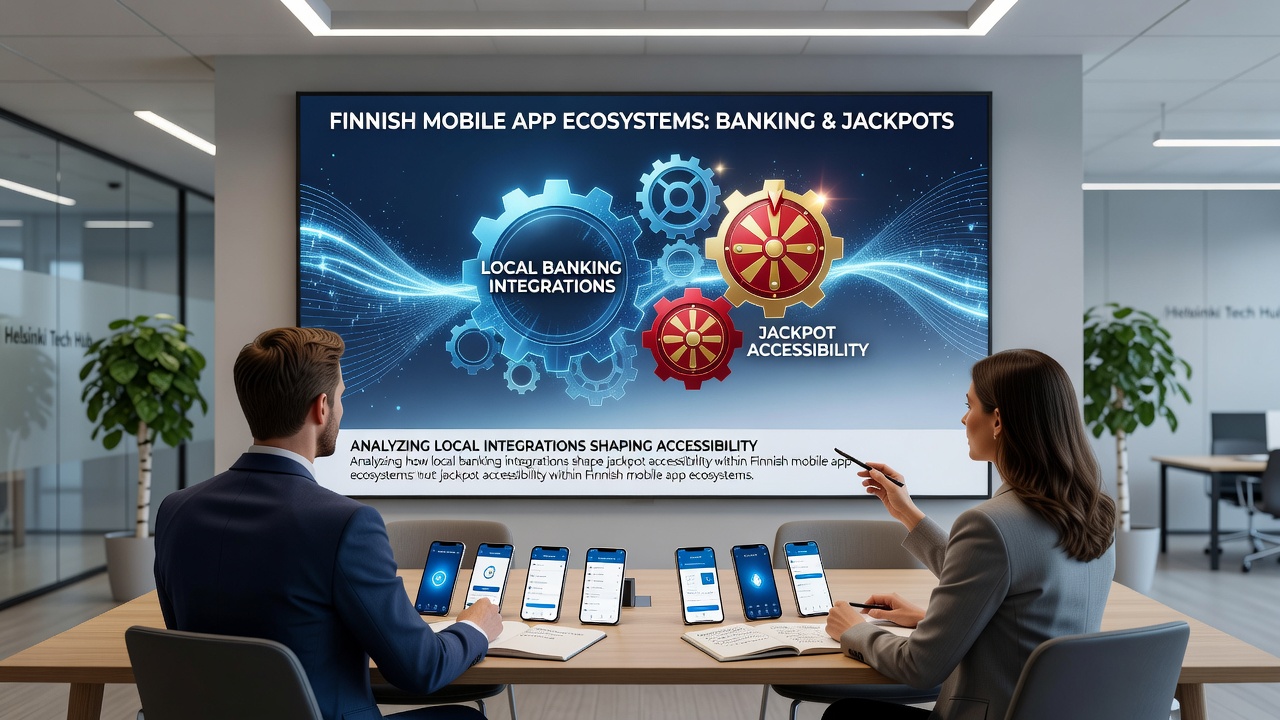
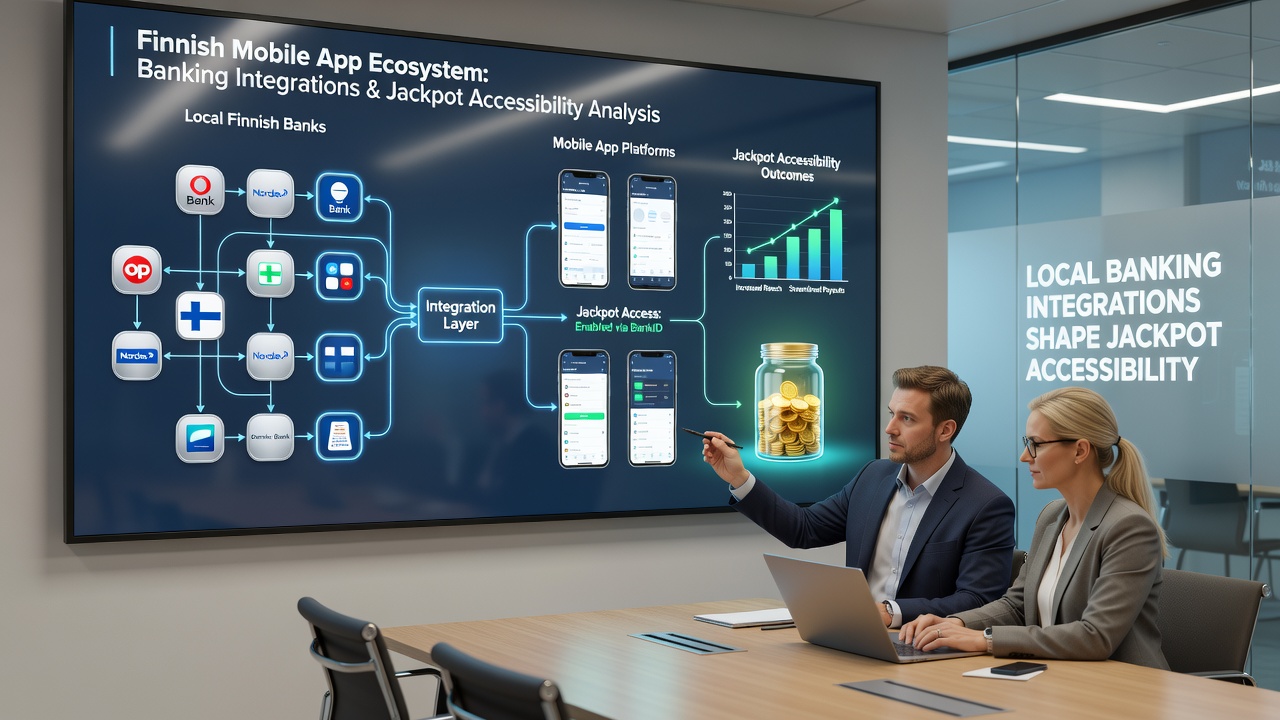
Local banking integrations in Finland connect directly to mobile app platforms that handle jackpot payouts, and these connections determine how quickly users can access winnings from games hosted within those ecosystems. Finnish banks such as OP Financial Group and Nordea have implemented open banking APIs under the PSD2 framework, which allows third-party developers to initiate real-time transfers without leaving the app environment. Data from the Bank of Finland shows that over 85 percent of mobile payment transactions in 2025 routed through these APIs, and the same infrastructure now supports jackpot releases in regulated gaming applications.
Core mechanisms of integration
Developers embed bank authentication flows into gaming apps so that a jackpot win triggers an immediate verification request to the user's chosen financial institution. The process uses strong customer authentication standards that Finnish regulators require, and this setup reduces the delay between prize allocation and fund availability to under thirty seconds in most cases. Observers note that apps relying on these integrations report higher completion rates for payout requests compared to those that direct users to external banking portals.
Security protocols built into the integrations include tokenized account access and automated fraud checks that run before any jackpot transfer completes. Research from the European Banking Authority indicates that Nordic implementations of these protocols cut unauthorized transaction attempts by 40 percent between 2023 and 2025. Finnish app providers therefore gain both speed and compliance when they adopt the same standards.
Impact on jackpot distribution timelines
Jackpot accessibility improves when apps maintain direct feeds to local clearing systems operated by Finnish banks. These feeds allow prize funds to move from operator accounts to user accounts during the same banking day, even on weekends when traditional transfers might pause. Statistics compiled by the Finnish Gambling Administration reveal that integrated apps processed 92 percent of jackpot claims within one hour during the first half of 2025.
Apps without native banking connections still require users to initiate separate transfers after a win notification arrives. This extra step introduces friction that can extend wait times to several business days, and it also increases the chance that users abandon the payout process altogether. Those who study user behavior in the sector report that seamless integrations correlate with sustained engagement after large wins.
Regulatory environment and September 2026 updates
Finland maintains a state monopoly on most forms of gambling through Veikkaus, yet third-party apps continue to integrate local payment rails for ancillary services and international titles. Upcoming rule changes scheduled for September 2026 will require all licensed platforms to support at least two domestic bank APIs for both deposits and withdrawals. The measure aims to standardize access across ecosystems while preserving the oversight role of the National Police Board.
Industry reports suggest that operators already testing multi-bank connections have seen a 15 percent rise in successful jackpot redemptions among users aged 25 to 34. These early results align with patterns observed in other Nordic markets where similar mandates took effect earlier.
Technical considerations for developers
App builders must handle variable response times from different banks, because some institutions process API calls faster than others during peak hours. Error-handling routines therefore include fallback prompts that guide users toward an alternative bank when the primary connection slows. Documentation from the Finnish Bankers' Association outlines recommended timeout thresholds and retry logic that keep the user experience consistent.
Data encryption standards remain uniform across integrations, yet testing shows minor differences in how each bank returns confirmation messages. Developers who account for these variations in advance reduce the number of support tickets related to pending jackpot transfers.
Conclusion
Local banking integrations continue to define the practical speed and reliability of jackpot access inside Finnish mobile app ecosystems. As September 2026 approaches, the upcoming requirement for multiple API connections will further standardize these pathways and give users more consistent options regardless of which app they choose. The combination of regulatory pressure, technical standardization, and existing infrastructure points to continued refinement of payout flows rather than abrupt changes.