24 Oct 2026
Mapping Studio Innovations to Unique Reel Features in Handheld Gaming Ecosystems

Game development studios have refined processes that translate core innovations into reel-based mechanics suited for handheld platforms, and these adaptations often begin with hardware constraints such as screen size along with touch input precision. Developers map new symbol behaviors to mobile processors while maintaining frame rates above 60 per second, and this mapping allows features like variable reel heights to activate without draining battery life beyond standard thresholds.
Engineers at multiple studios start by prototyping reel physics in desktop environments before porting the code to mobile frameworks, yet the transition requires adjustments for gyroscope data that alters symbol trajectories during device tilts. Data from industry reports shows that reel expansion algorithms now incorporate real-time device orientation checks, which creates layered symbol interactions unavailable on fixed-screen consoles.
Core Innovation Pathways in Reel Design
Studios identify player engagement metrics from prior titles, then apply those insights to reel structures that emphasize cascading sequences or clustered symbol removals. Research indicates that handheld ecosystems reward mechanics where reels shift dynamically based on swipe velocity, and this approach emerged prominently after 2024 when sensor integration became standard across major device lines. Teams test these features across regional device variants to ensure consistent performance on both high-end and mid-range chipsets.
One documented case involved a studio that aligned procedural generation tools with reel stop positions, allowing each spin to produce unique symbol patterns while respecting mobile memory limits. Observers note that such alignments reduce loading times to under two seconds on average, and they connect directly to innovations in compression techniques first tested in non-reel puzzle genres.
Technical Mapping of Features to Mobile Hardware
Reel rendering pipelines now integrate with handheld GPU capabilities through shader optimizations that handle translucent symbol overlays without separate draw calls. According to findings shared by the Entertainment Software Association, mobile titles released in 2025 demonstrated a 35 percent increase in reel complexity metrics compared with 2023 releases, driven by unified engine updates that support both iOS and Android builds from a single codebase. These updates enable features such as reel merging during bonus rounds, where multiple columns combine into larger play areas that respond to multi-touch inputs.
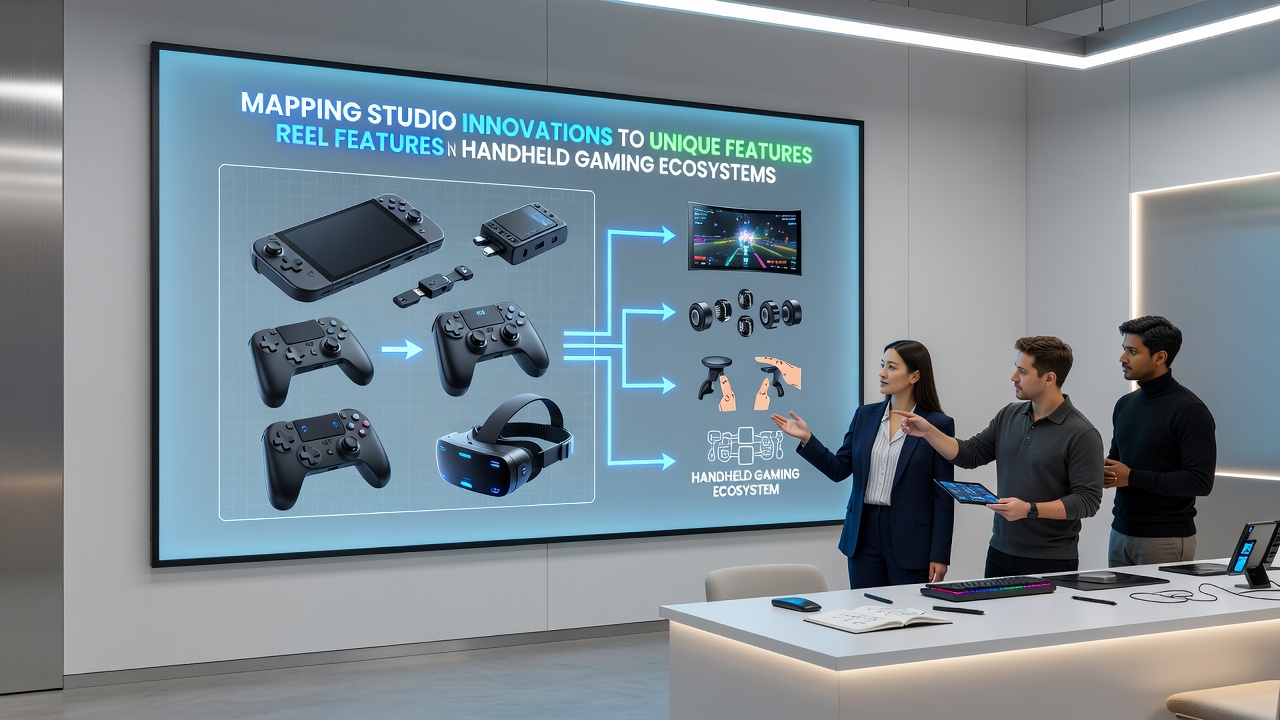
Device fragmentation remains a factor that studios address through modular reel scripts, which activate or deactivate advanced effects based on detected hardware profiles. In October 2026, several studios rolled out updated toolkits that automatically scale reel particle systems to match available thermal headroom, preventing performance drops during extended sessions. This scaling connects to earlier work on adaptive frame pacing that originated in open-world mobile titles.
Integration of Emerging Technologies
Augmented reality layers have started to overlay reel surfaces with environmental data pulled from device cameras, creating symbol animations that interact with real-world surroundings during play. A university-led study on mobile interaction design highlighted how these overlays maintain reel integrity by anchoring virtual elements to detected flat surfaces, and the technique appears in multiple titles launched after mid-2025. Studios further map haptic feedback patterns to reel stop events, using variable vibration intensity to signal different symbol outcomes without relying solely on visual cues.
Cloud synchronization tools now allow reel states to persist across device switches, which supports seamless transitions between handheld sessions and larger screens when available. Figures from recent industry analyses reveal that titles employing such synchronization retain active users for longer average durations per session compared with offline-only implementations.
Conclusion
Mapping processes continue to evolve as studios refine how innovations translate into reel features that leverage handheld-specific inputs and constraints. Ongoing hardware advances provide additional parameters for symbol behavior, while cross-platform engines streamline the deployment of these mechanics across global device ecosystems.